
7 Budgeting Mistakes University Students Make — and How to Avoid Them
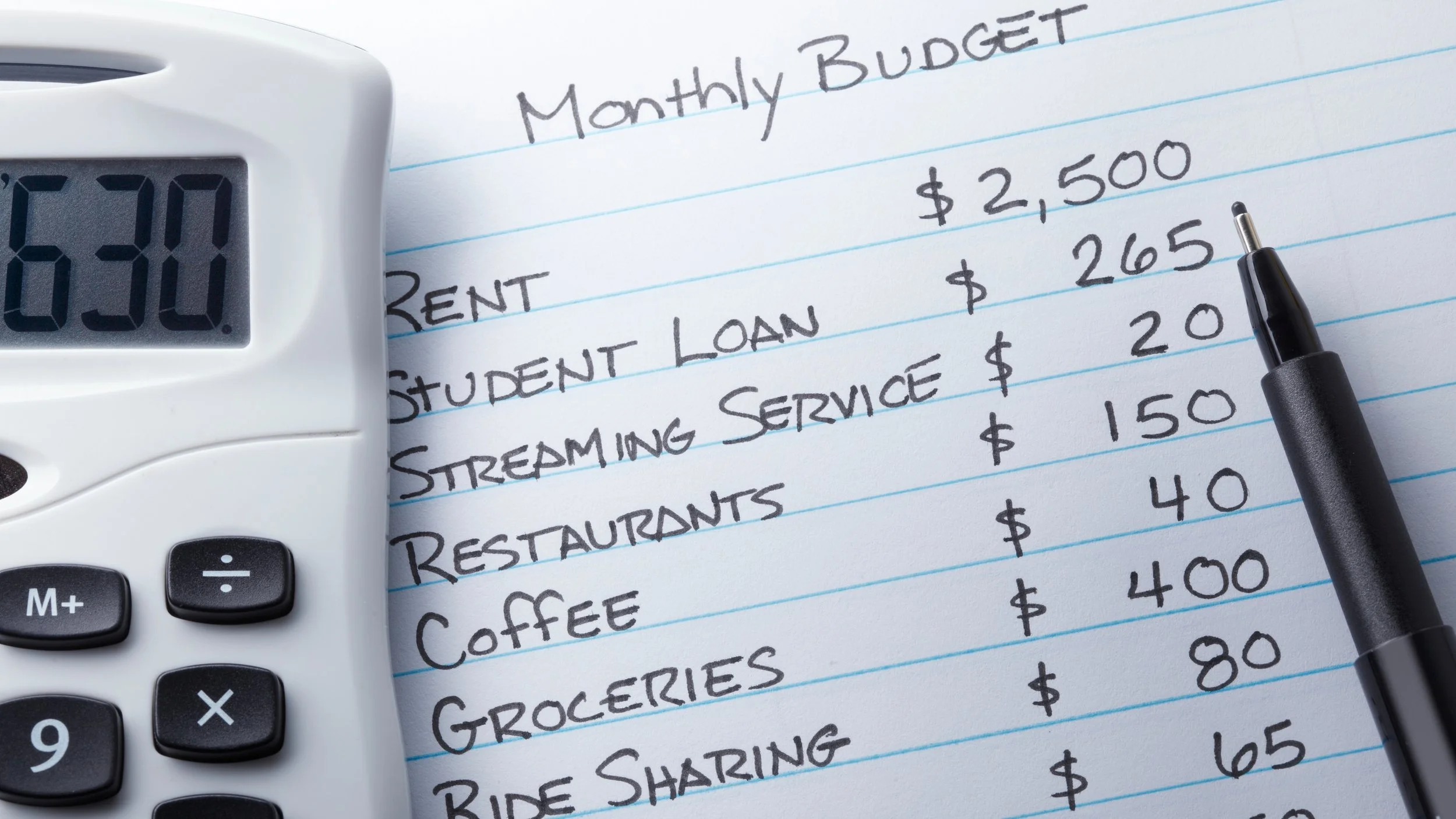
Tools mentioned in this article: PRSVRE Budget Builder
Making a budget is the easy part.
Actually following it when you have classes, practices, assignments, nights out, grocery runs, random expenses and a group chat constantly suggesting ways to spend money? That's where things get harder.
And sometimes the problem isn't that you're spending too much. It's that the budget you made wasn't realistic in the first place.
A useful budget shouldn't make you feel guilty every time you spend money. It should help you understand where your money is going, make better decisions and still leave room to actually enjoy university.
If your budget isn't working, one of these seven mistakes might be the reason.
Haven’t Built a Budget Yet?
Before we get into the mistakes, it helps to know what your own budget actually looks like.
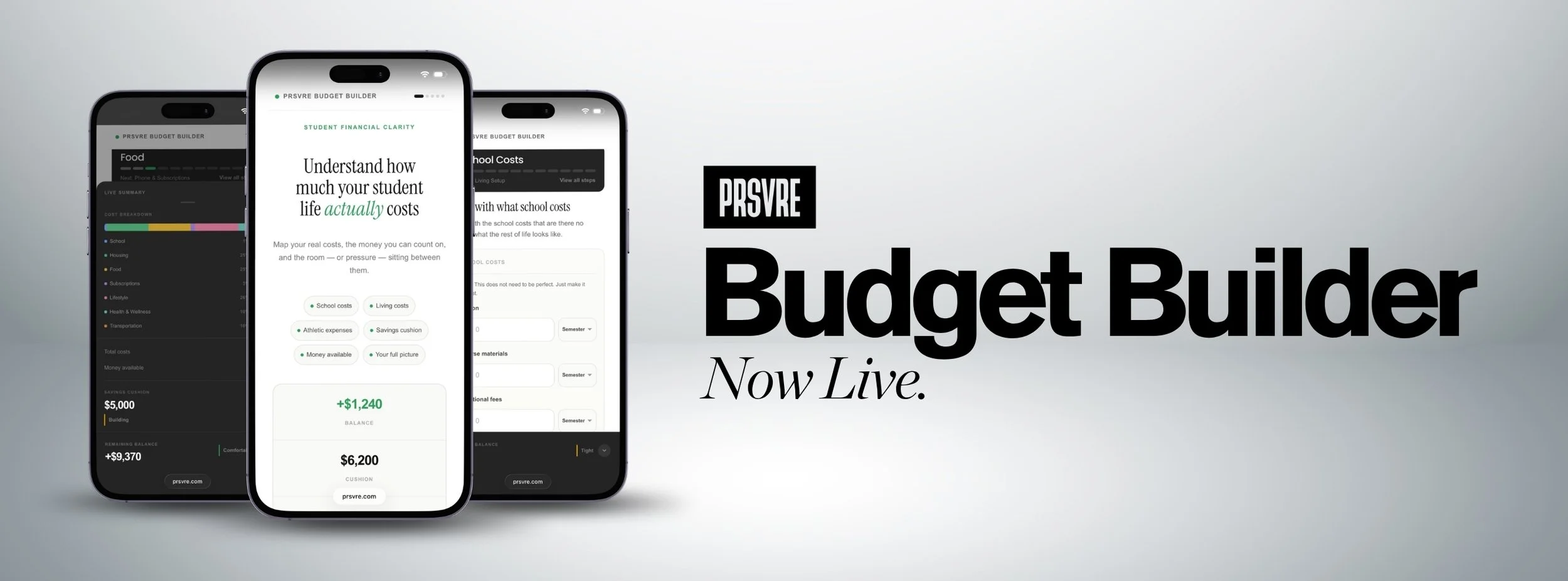
If you’ve never made one before—or you’re not sure where to start—try the PRSVRE Budget Builder. It’s a free tool designed to help university students map out the money they have coming in, where it needs to go and what they have left to work with.
You don’t need to have all the answers. Start with what you know, build your first budget and get a feel for where your money is going.
Then come back here.
Because once you’ve got the basics down, there are a few common mistakes worth watching for.
1. Building a Budget for Your “Perfect” Self
This might be the easiest mistake to make.
You sit down to budget and suddenly decide that this month you're going to cook every meal, never order takeout, stop buying coffee, skip every night out and somehow spend $40 on groceries for the entire week.
Then real life happens.
The problem isn't necessarily your spending. The budget wasn't realistic from the beginning.
Look at how you actually spend your money. If you normally buy coffee three times a week, account for it. If you know you're going out with friends, give yourself a social budget. If buying lunch on your busiest class day makes your life easier, plan for it.
You can absolutely use a budget to change your spending habits. Just make those changes intentionally instead of pretending the expenses don't exist.
A realistic budget you can follow is more useful than a perfect budget you abandon after a week.
2. Forgetting About the Small Purchases
It's easy to remember your $900 rent payment.
The $6 coffee? Not so much.
That's what makes smaller purchases tricky. Individually, they rarely feel significant enough to worry about.
But $6 here, $14 there and another $22 somewhere else can become a meaningful amount of money by the end of the month.
Think about the spending that happens between your major expenses:
Coffee. Snacks. Food delivery fees. Rideshares. Convenience-store runs. In-app purchases. Little Amazon orders.
You don't need to obsess over every dollar you spend. But you should understand your patterns.
Check your transactions occasionally and ask yourself:
Where is my money actually going?
You might be surprised by the answer.
3. Treating Your Bank Balance Like Your Budget
You open your banking app.
There's $600 in your account.
Nice. You have $600 to spend.
Except maybe $350 of that needs to cover rent next week. Your phone bill is coming out automatically. You need groceries. And you still have two weeks until your next paycheque.
Your account balance tells you how much money you have right now.
Your budget tells you how much of that money is actually available to spend.
Those are two very different numbers.
Before making a bigger purchase, don't just ask:
“Do I have enough money?”
Ask:
“Can I afford this after accounting for everything else I need to pay for?”
That small shift can prevent a lot of end-of-month stress.
4. Forgetting That Some Months Are More Expensive Than Others
Not every month of university costs the same amount.
September can bring textbooks and back-to-school purchases.
October might have Thanksgiving travel.
December can mean holiday spending and trips home.
Then another semester starts and suddenly you need new course materials.
Student-athletes can have even more variation. Your expenses may change depending on whether you're in-season, travelling, training during the offseason or able to work as many hours.
If you build every monthly budget as though your expenses will always be identical, those predictable-but-irregular costs can feel like emergencies when they arrive.
Instead, look ahead.
Ask yourself:
What's happening next month that I'm probably going to spend money on?
If you know an expense is coming, start setting aside a little money before it arrives.
A surprise expense and an expense you forgot about aren't always the same thing.
5. Leaving No Money for Fun
A budget that gives you $0 for enjoying university probably isn't going to last very long.
You have friends. There are games, restaurants, dates, events, concerts, coffee runs and nights when everyone decides they're going somewhere.
You don't have to say yes to everything.
But pretending you'll say no to everything isn't particularly realistic either.
Instead, decide what you can comfortably spend on fun.
Maybe that's $50 this week. Maybe it's $150 this month. The number depends on your financial situation.
Once you've set that money aside, you can spend it without feeling like every social activity is ruining your finances.
And when it's gone?
That's useful information too. You can decide whether something else is worth adjusting—or whether this time you simply say no.
A budget isn't supposed to stop you from having fun. It's supposed to help you know what you can afford.
6. Not Adjusting Your Budget When Life Changes
Your budget is not a contract.
You don't make it once in September and then follow the exact same numbers until April.
Maybe groceries cost more than you expected.
Maybe you picked up another shift at work.
Maybe your transportation costs dropped.
Maybe your season started and you're spending more on food.
Maybe you realized you are absolutely not cancelling that Spotify subscription.
That's okay.
A budget is based on estimates. Once you have real information, use it.
If you budgeted $250 for groceries but consistently spend closer to $320, simply writing $250 again next month doesn't fix anything.
Figure out whether you can realistically reduce the spending. If not, increase the grocery category and find somewhere else to adjust.
Your budget should change when your life changes.
That's not failing at budgeting.
That's budgeting.
7. Waiting Until You're “Good With Money” to Start
You don't need to understand investing, credit scores, interest rates and every financial term you've ever heard before you're allowed to make a budget.
And you definitely don't need to have a lot of money.
Budgeting is simply deciding what the money you do have needs to do.
Start with four questions:
How much money do I have coming in?
What do I have to pay for?
What do I want to spend money on?
What's left?
Your first budget probably won't be perfect.
Good.
Make one anyway.
Then look at what actually happened and make the next one better.
Financial confidence doesn't have to come before you start managing your money.
It can come from managing it.
The Biggest Mistake? Giving Up When You Get It Wrong.
You are going to overspend sometimes.
There will be months when an unexpected expense shows up, your social spending gets away from you or you completely underestimate how much groceries are going to cost.
That doesn't mean your budget failed.
Look at what happened.
Adjust the numbers.
Keep going.
The objective isn't to become someone who never makes a bad financial decision. It's to understand your money well enough that one bad decision doesn't turn into a month of them.
And if you've never built a budget before, you don't need to start with a blank spreadsheet.
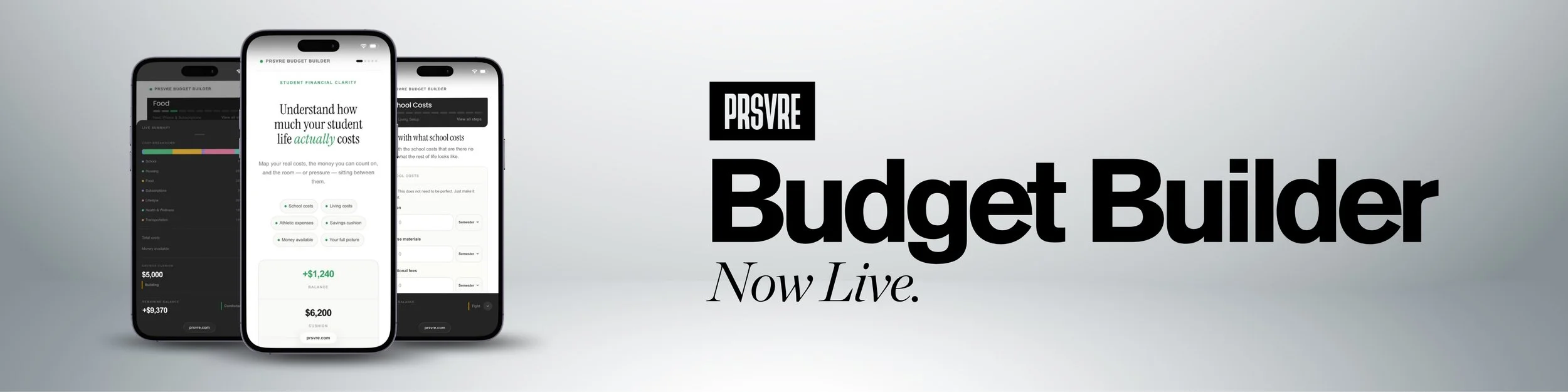
The PRSVRE Budget Builder is a free resource designed to help university students map out their income and expenses—including additional costs that can come with being a student-athlete.
Put in what you have coming in. Account for where it's going. See what's left.
Then build a budget around your real life, not your perfect one.